Urban Exploration: The Canvas of Artistic Expression
Table of Contents
1. Capturing Decay and Beauty
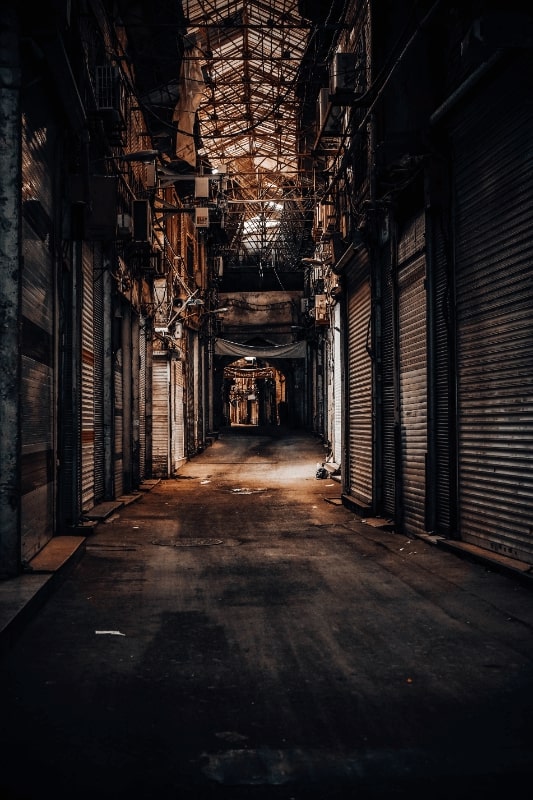
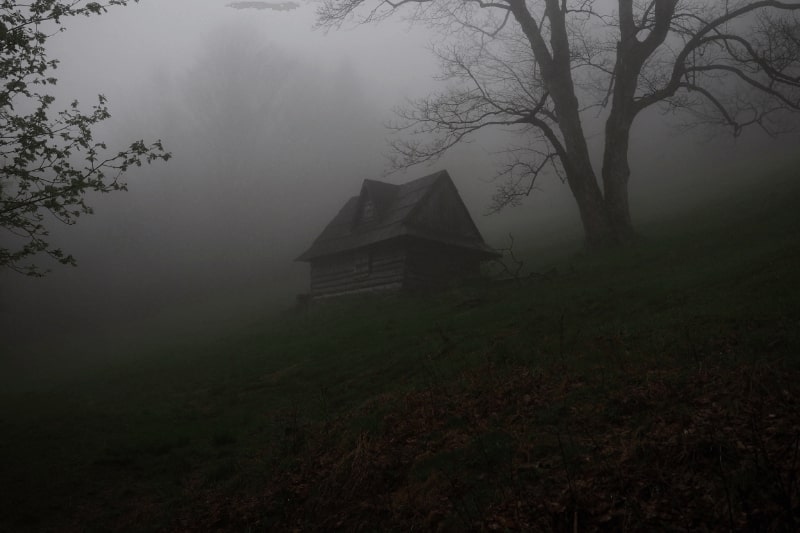
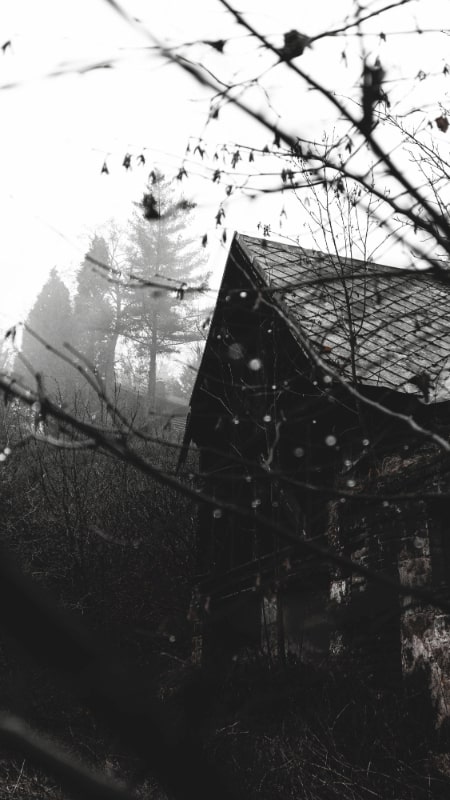
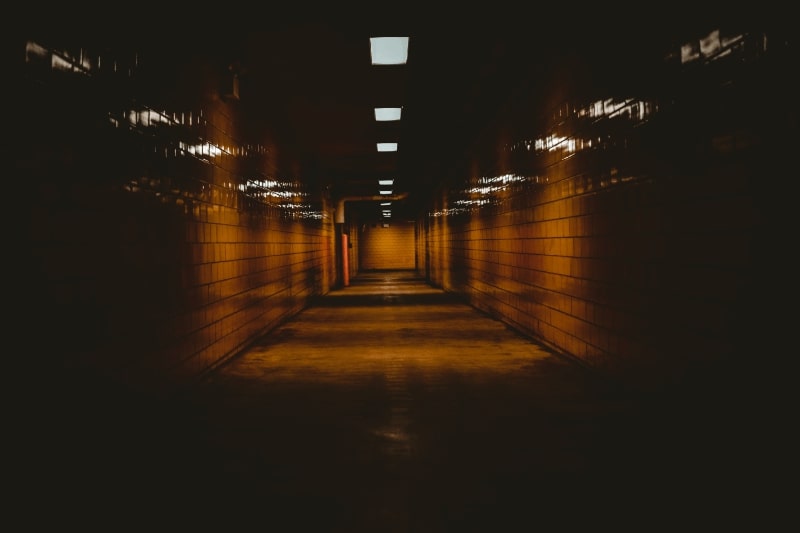
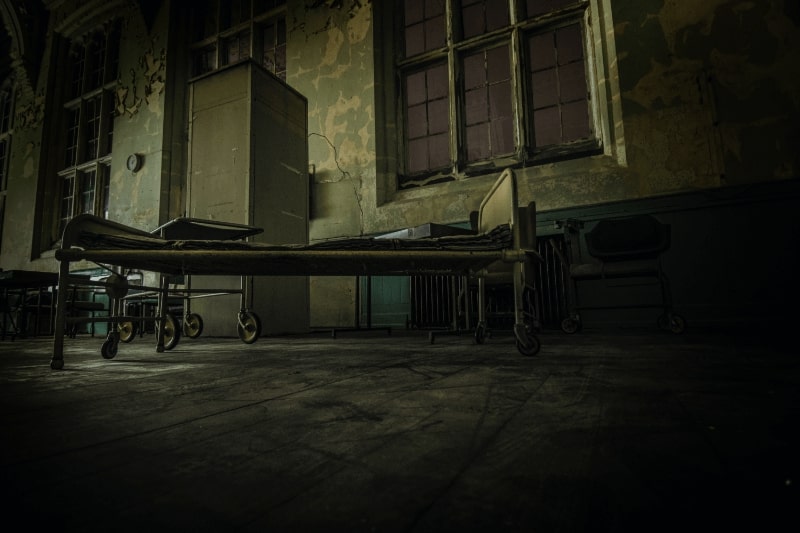
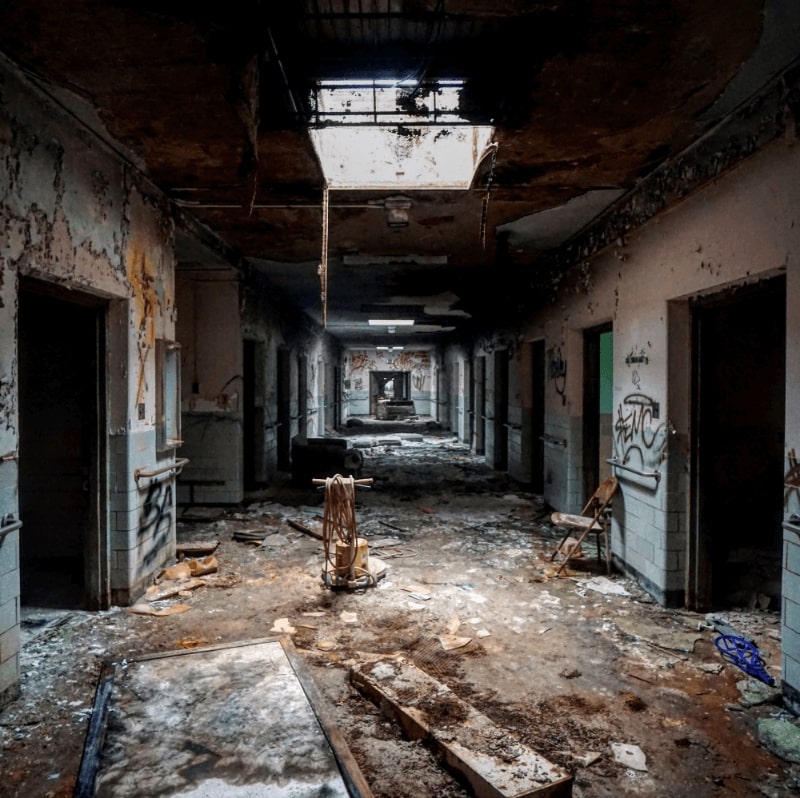
Urbex photography is a unique and captivating genre that focuses on capturing the decay, history, and hidden beauty of abandoned places.
Research and Plan: Start by researching your chosen urbex location. Learn about its history, architectural details, and any potential hazards. Planning helps you identify key areas to photograph.
Safety First: Prioritize safety when exploring abandoned places. Wear appropriate clothing, including gloves and sturdy footwear. Always have a flashlight, first-aid kit, and other safety gear on hand.
Explore with a Team: Urbex photography can be more enjoyable and safer when you explore with a team. You can watch out for each other and share creative ideas.
Lighting is Key: Pay attention to lighting conditions. The right lighting can make or break a shot. Natural light often works wonders, especially during the "golden hours" of sunrise and sunset.
Use a Tripod: A tripod is essential for long-exposure shots and capturing sharp images in low light. It also allows you to compose your shots carefully.
2. Street Art and Graffiti in Urbex
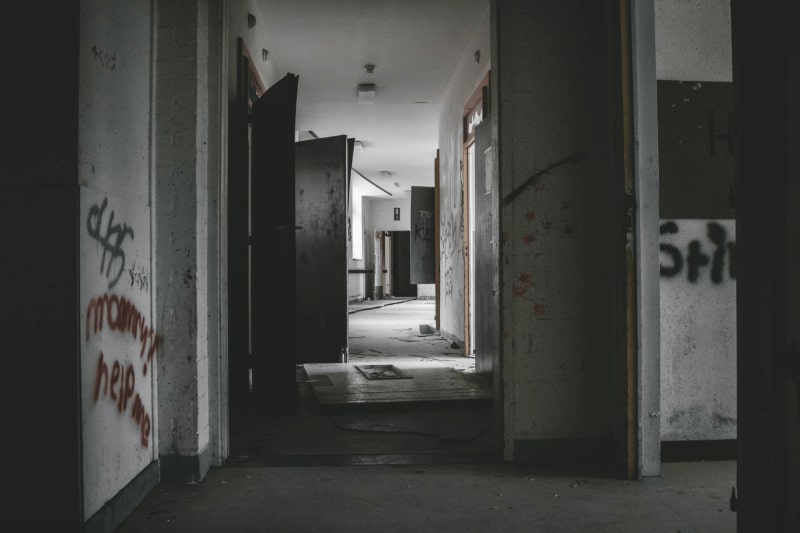
Unconventional Canvases: Abandoned buildings, factories, and other urbex locations become unconventional canvases for street artists and graffiti writers. These spaces offer a blank slate for creativity.
Preservation of History:Street art and graffiti can add a layer of cultural preservation to abandoned places. They tell stories about the location, its past, and the people who once inhabited it.
Expression of Urban Decay:Street art and graffiti often complement the aesthetic of urban decay. Artists may use the existing deterioration and decay to enhance their work.
Artistic Exploration: Street artists and graffiti writers are themselves urban explorers, seeking out unique and hidden locations to create their art. Urbex provides access to less-visited spaces for their work.
Fusion of Styles: Street art and graffiti can coexist with the natural decay of urbex locations, resulting in a fusion of artistic styles that contrasts with the environment.
Temporary Art: In urbex, street art and graffiti may be short-lived due to the transient nature of these locations. Capturing them through photography can immortalize these creations.
3. Urbex as a Source of Artistic Inspiration
Capturing the Passage of Time: Abandoned buildings and structures are frozen in time, showcasing the passage of years or even decades. Artists can use photography, painting, or other mediums to capture this visual narrative.
Exploring Texture and Patina: The weathered surfaces, peeling paint, rust, and other textures found in abandoned locations provide rich visual material for artists. These textures can add depth and character to artworks.
Revealing Stories: Urbex locations often have stories to tell. Artists can draw inspiration from the history of these places, the people who once occupied them, and the events that shaped them.
Contrasting Beauty and Decay: The contrast between decay and moments of unexpected beauty can be a powerful theme in artistic work. Artists can explore how nature reclaims abandoned spaces or how light plays off decaying materials.
Ephemeral Art Installations: Some artists create temporary installations in abandoned places, adding their own creative touch to the environment. These installations can be documented through photography or video.
4. Using Natural Light in Urbex Photography
Understand Natural Light:Learn to observe and understand how natural light behaves in different environments, times of day, and weather conditions. Experiment with different lighting situations to discover their effects on your photos.
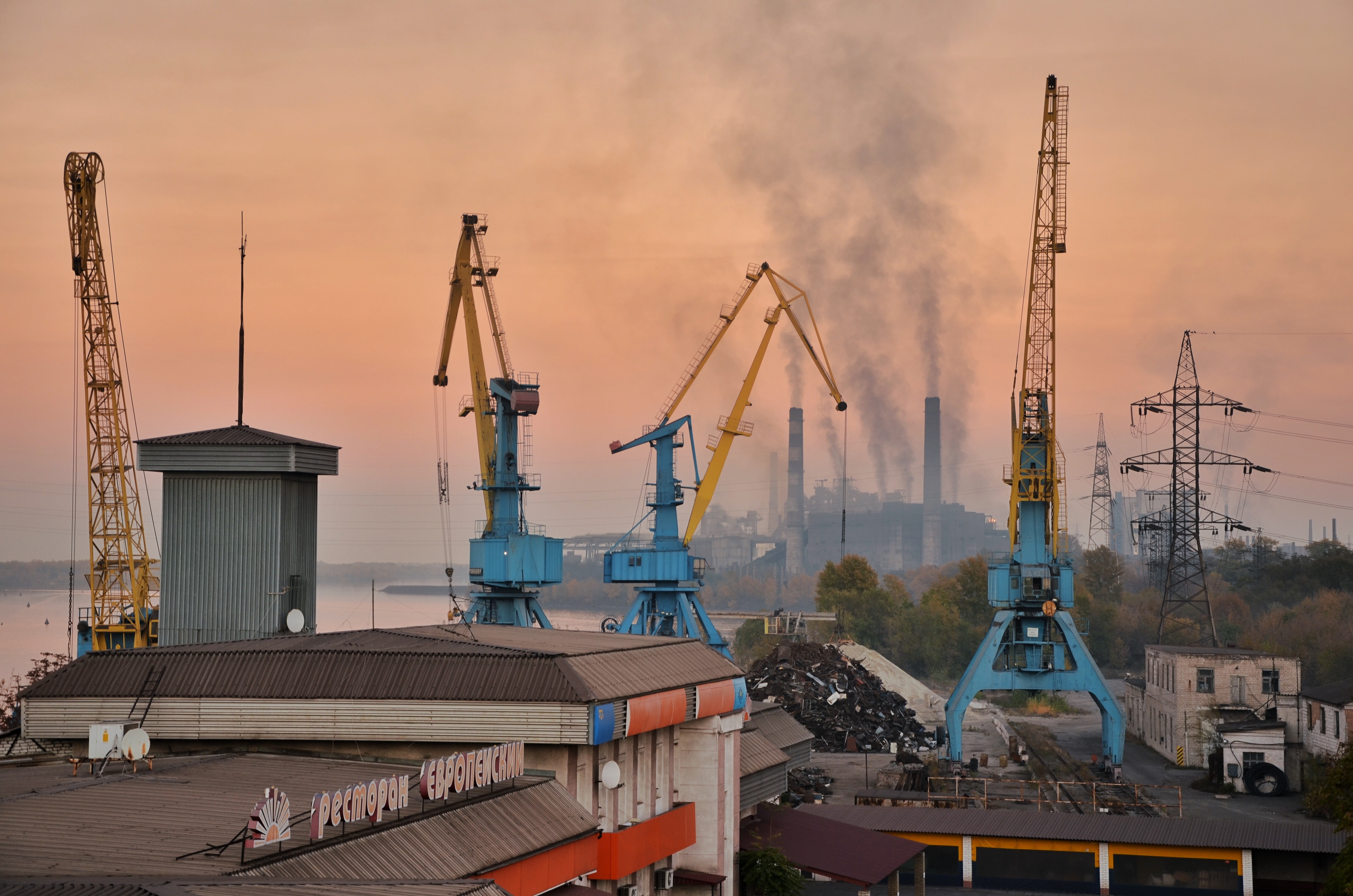
Golden Hours: The "golden hours" of sunrise and sunset are often considered ideal times for urbex photography. The warm, soft light during these hours can add a magical quality to your shots.
Window Light: Abandoned buildings often have broken windows or openings that allow light to filter in. These sources of indirect light can create beautiful, diffused lighting for interior shots.
Shadows as Subjects: Embrace the shadows and use them as integral elements of your compositions. Shadows can add depth, mystery, and contrast to your photos.
Use Silhouettes: Silhouettes can be a powerful way to create dramatic and atmospheric images. Position your subject in front of a light source, such as a window or doorway, and expose for the bright background to create a silhouette effect.
5. Lensbaby and Tilt-Shift Photography in Urbex
Creative Effects:Lensbaby lenses are known for their creative and unique effects, such as selective focus, blur, and distortion. These effects can add a dreamlike quality to your urbex photos, emphasizing certain elements while obscuring others.
Emphasis on Details: Lensbaby lenses allow you to draw attention to specific details within an abandoned place. You can highlight textures, peeling paint, or decaying objects, creating compelling focal points.
Miniature Effectilt-shift lenses are known for their ability to create a "miniature" effect, making large scenes appear as if they are tiny models. This effect can be fascinating when applied to urbex locations, transforming them into surreal, toy-like landscapes.
Selective Focus: Tilt-shift lenses offer precise control over focus, allowing you to selectively highlight specific elements within the abandoned place. This control is valuable for drawing attention to intricate details or contrasting decay with intact objects.
Straightening Lines:Tilt-shift lenses can correct converging lines and distortions that often occur when photographing abandoned buildings, resulting in more architecturally accurate and visually pleasing compositions.
6. Documenting Urbex Adventures Through Poetry and Prose
Immerse Yourself: CBefore you start writing, immerse yourself in the environment. Take in the sights, sounds, smells, and sensations of the abandoned place. Let these details inspire your writing.
Keep a Journal: Carry a journal with you during your urbex adventures. Use it to jot down observations, thoughts, and emotions as they arise. These raw notes can serve as the foundation for your writing.
Start with Descriptive Language: Use vivid and descriptive language to paint a picture of the abandoned place. Describe the textures, colors, and atmosphere in detail. Bring readers into the scene through your words.
Capture the Atmosphere: Urbex locations often have a unique atmosphere, blending elements of mystery, nostalgia, and decay. Try to convey this atmosphere in your writing to immerse readers in the experience.
Tell a Story:Urbex adventures often have a narrative aspect. Share the story of your exploration—what led you there, what you discovered, and how it made you feel. Build a narrative arc to engage readers.