Unveiling the Forgotten Treasures
Table of Contents
1. Purposeful Exploration
"Unveiling the Forgotten Treasures: Urban Exploration with a Cultural and Historical Lens" is
a captivating and enriching adventure that combines the thrill of urban exploration with a deep
appreciation for cultural and historical preservation. This unique approach to urban exploration
not only satisfies the curiosity of adventurers but also contributes to the documentation and
conservation of valuable cultural and historical sites.
Historical Context: Every location visited is examined within its historical context. This means
researching and understanding the significance of the site in relation to the broader cultural and historical
landscape. Historical narratives and anecdotes are woven into the exploration experience, adding depth and
meaning to the adventure.
Preservation and Documentation:The primary goal is not just to explore and photograph these
places but also to document their history, cultural significance, and current condition. This
documentation can be shared with the public, scholars, and preservation organizations to raise
awareness about these sites' importance
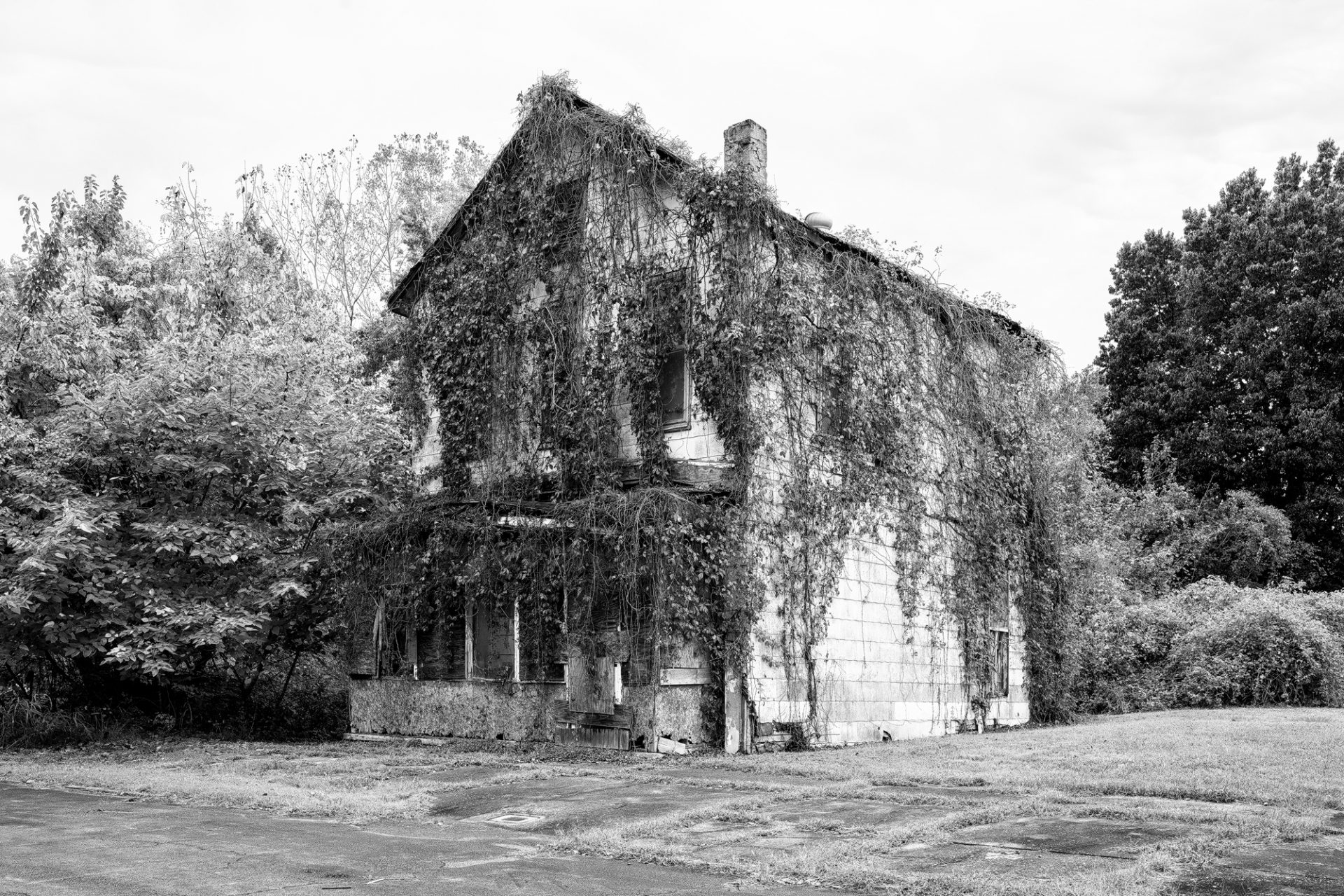
2.Forgotten Residential Neighborhoods: Hidden Stories
Historical Homes:Abandoned homes within these neighborhoods can reveal fascinating insights into
architectural trends. Explore the evolution of interior design, from Victorian opulence to mid-century
minimalism. Discuss the impact of historical events, such as wars or economic booms, on housing styles.
Community Histories: Abandoned buildings and structures may be unstable due to years of neglect.
Always assess the structural integrity of a location before entering. Watch out for signs of decay, such
as cracked walls, sagging ceilings, and rotting floors. It's crucial to avoid areas that pose a risk to
your safety.
Urban Decay vs. Gentrification: Engage in a comprehensive discussion about the consequences of
gentrification. Explore the pros and cons, from revitalized neighborhoods with lower crime rates to concerns
about housing affordability and the displacement of long-time residents. Analyze successful models that manage
to blend history with modern renewal.
3.Decommissioned Transportation Hubs: Tales of Mobility
Historical Evolution: Expand upon the historical evolution of transportation hubs by discussing
how architectural styles adapted to changing modes of transportation. Delve into the influence of famous
architects and designers on the design of these hubs.
Cultural Exchange: Further explore the personal stories of travelers, sharing anecdotes of immigrants
who arrived at these hubs seeking a new life and the intercultural encounters that took place. Discuss the
emergence of distinct subcultures within transportation hubs, such as the jazz scene in train stations.
Technological Advancements: Introduce a subheading that discusses technological advancements within
transportation hubs. Explore the introduction of innovations like digital ticketing systems, high-speed rail,
or sustainable transportation options, and their impact on the modern urban landscape.
Art and Public Spaces: Discuss the art and public spaces within these hubs, highlighting how they
served as platforms for artistic expression and cultural exchange. Explore the integration of public art
installations or cultural events within these spaces.
4. Stages of Yesteryears
Historical Performances:Deepen your exploration of historical performances by discussing their
influence on broader artistic movements. Analyze how particular productions contributed to the evolution of theater,
cinema, or music genres.
Cultural Significance: Explore how these venues shaped cultural identities, showcasing how theaters
and music halls became emblematic of a city's cultural scene. Discuss the emergence of cultural icons who graced
these stages and how they left an indelible mark on popular culture.
Architectural Acoustics: Introduce a new subheading on architectural acoustics within these venues.
Discuss the science and artistry behind creating exceptional sound environments for performances. Explore the
innovations in acoustical design and how they enhanced the audience's experience.
Community Engagement: Highlight the importance of community engagement in revitalizing cultural and
entertainment venues. Discuss how local initiatives, fundraising campaigns, and partnerships with artists
contribute to the sustainability of these venues as cultural hubs.
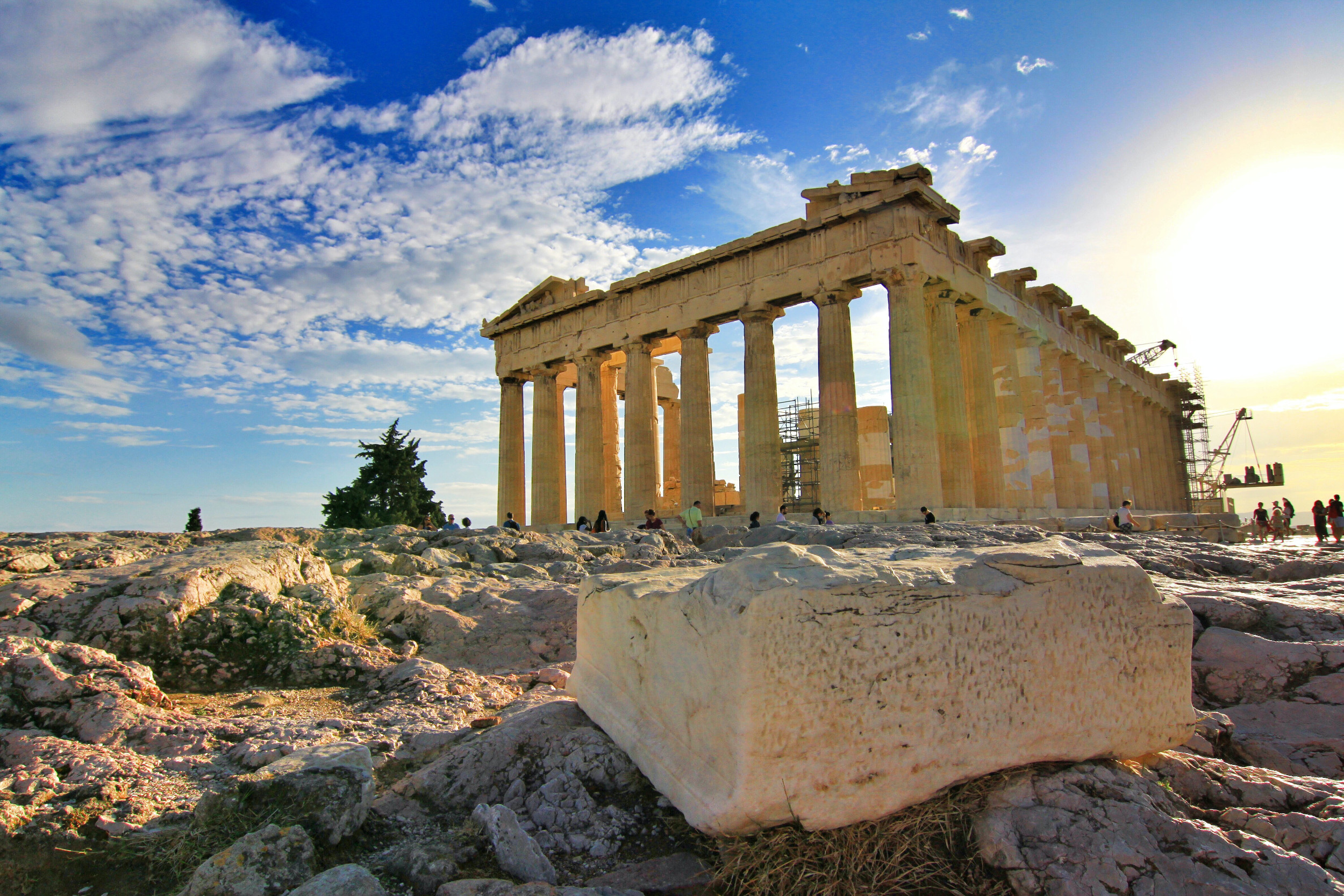
5. Religious Relics: Faith and Architecture
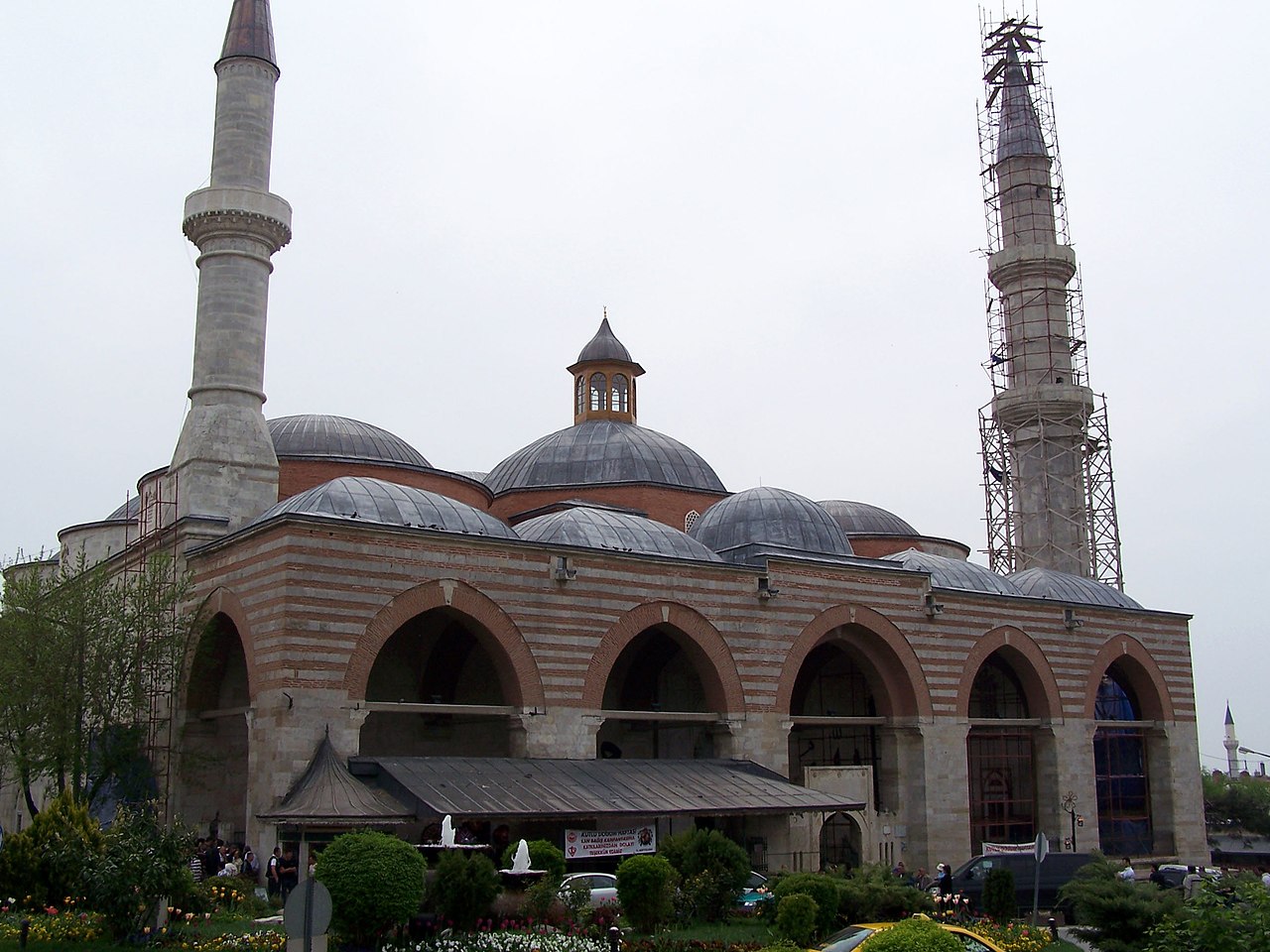
Architectural Marvels: Dive even deeper into the architectural aspects, examining the symbolism of
architectural elements like domes, spires, and arches. Explore how these elements reflect spiritual beliefs
and cultural values across different religious traditions.
Cultural Faiths: Extend the discussion to explore the ways religious relics serve as
bridges between cultures. Discuss instances where multiple faiths shared the same sacred space,
leading to unique interfaith dialogues and coexistence.
Historical Rituals: Introduce a subheading on historical religious rituals within these relics.
Describe the practices, ceremonies, and festivals that once took place, shedding light on the deep-rooted
traditions associated with these spaces.
Sacred Art and Artifacts: Explore the art and artifacts found within these religious relics, including
sculptures, paintings, and sacred texts. Discuss their historical and cultural significance and how they
continue to inspire reverence and appreciation today.
6.Forgotten Educational Institutions:
Historical Significance: Explore the historical significance of abandoned educational institutions,
such as schools, universities, or libraries. Discuss how these institutions contributed to the intellectual
and cultural development of the community, reflecting the evolution of educational methods and philosophies.
Cultural Impact: Delve into the cultural impact of these institutions by sharing stories of famous
alumni, renowned educators, and the role these places played in fostering intellectual debates and artistic
endeavors. Highlight their contribution to the local identity and intellectual heritage.
Architectural Heritage: Discuss the architectural heritage of educational institutions, emphasizing their
unique designs, libraries, auditoriums, and scientific laboratories. Explore how the architecture of these places
mirrored the pedagogical values of their time.
Abandonment Challenges: Examine the challenges associated with the abandonment of educational institutions.
Discuss the reasons behind their closure, including changing demographics, budget cuts, or shifts in educational
paradigms. Highlight the efforts to preserve their historical and academic value.
Community Revival: Share success stories of abandoned educational institutions being repurposed for community
use, such as transforming a closed school into a community center or a vacant library into an arts and cultural hub.
Emphasize the positive impact these transformations have on the neighborhoods they serve.