Adventures with Caution
Table of Contents

1. The Thrill of Abandoned Places
There's an inexplicable allure that draws people to abandoned places, a magnetic
pull that tugs at our curiosity and imagination. These forgotten relics of the past,
shrouded in decay and mystery, hold an undeniable charm that captivates explorers and
adventurers alike. The thrill of abandoned places lies in the untold stories they
conceal, the eerie beauty they exude, and the sense of stepping into a forgotten world
frozen in time.
Untold Stories: Abandoned places are like time capsules, frozen in a moment in
history. They whisper stories of bygone eras, of lives once lived within their walls.
The crumbling architecture and decaying remnants of human existence provide a tantalizing
glimpse into the past. Each abandoned place has its own narrative, whether it's an old factory,
a derelict mansion, or a forgotten amusement park. Explorers become detectives, piecing together
clues left behind by previous inhabitants, trying to unravel the secrets hidden within these
forsaken spaces.
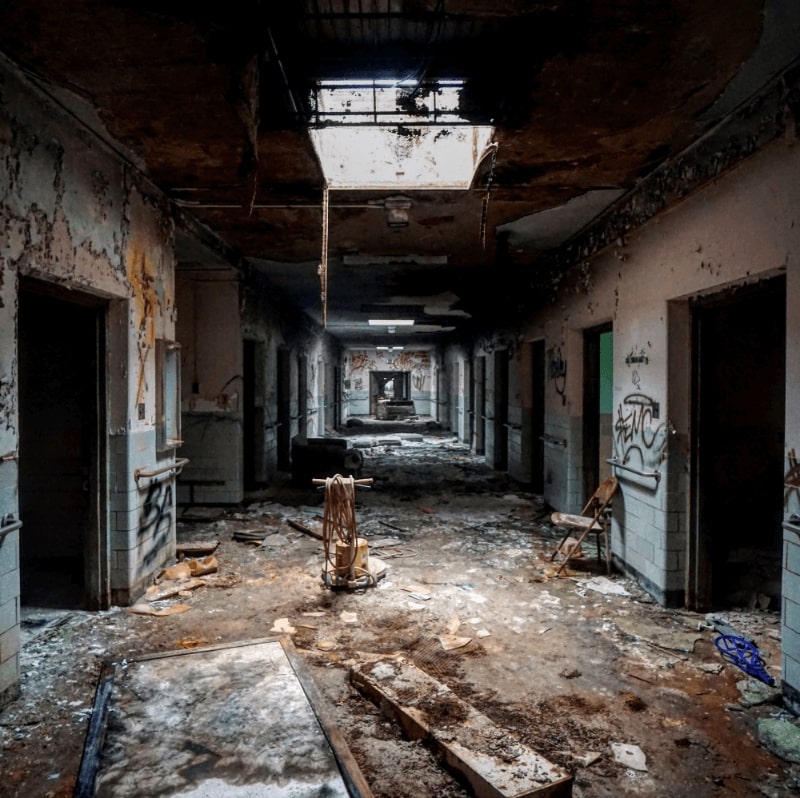
Eerie Beauty: Abandoned places often possess a hauntingly beautiful aesthetic. Nature
reclaims these spaces, with vines creeping up cracked walls, sunlight streaming through
broken windows, and moss carpeting the floors.
2. Safety First
Legal and Ethical Exploration: Before embarking on an adventure, research the legality of
exploring abandoned places in your area. Trespassing can lead to legal consequences, so it's vital
to respect property boundaries and seek permission when necessary. Additionally, be mindful of ethical
considerations; avoid looting, vandalizing, or disturbing the sites you visit.
Structural Integrity: Abandoned buildings and structures may be unstable due to years of neglect.
Always assess the structural integrity of a location before entering. Watch out for signs of decay, such
as cracked walls, sagging ceilings, and rotting floors. It's crucial to avoid areas that pose a risk to
your safety.
Personal Protective Equipment (PPE): Wear appropriate clothing and gear to protect yourself. Sturdy,
closed-toe shoes with good traction are a must, as are gloves and a dust mask. Depending on the site, you
might also need a helmet and safety goggles to shield against falling debris.
Lighting: Abandoned places are often dark and disorienting, so bring reliable lighting equipment.
Flashlights or headlamps with spare batteries are essential for navigating dimly lit spaces safely.
3.Respect for the Environment
Respect for the environment is a crucial aspect of responsible urban exploration, particularly
when it comes to exploring abandoned places in urban areas. While the thrill of discovering
forgotten spaces can be alluring, it's essential to minimize your impact on both the built and
natural environment. Here are some key principles to follow when practicing environmentally
responsible urban exploration:
Leave No Trace: Adhere to the "Leave No Trace" principles commonly associated with outdoor
activities. This means refraining from littering, vandalizing, or damaging the sites you explore.
Take only photographs and memories, leaving behind no physical traces of your presence.
Preserve Historical Artifacts: Abandoned places often contain historical artifacts and documents.
Resist the urge to take souvenirs or remove items from these locations. Such actions can erode the
historical record and diminish the experiences of future explorers. Instead, document what you find
through photography and written notes.
Avoid Disturbing Wildlife: In some cases, abandoned places may have become habitats for local wildlife.
Respect these creatures and their ecosystems by minimizing disruption. Avoid disturbing nests, burrows, or any
animals you encounter during your exploration.
Dispose of Waste Properly: If you bring food, water, or other supplies with you, ensure that you dispose
of waste properly. Pack out all trash and recyclables and dispose of them in designated receptacles. Do not leave
waste behind in the abandoned sites.
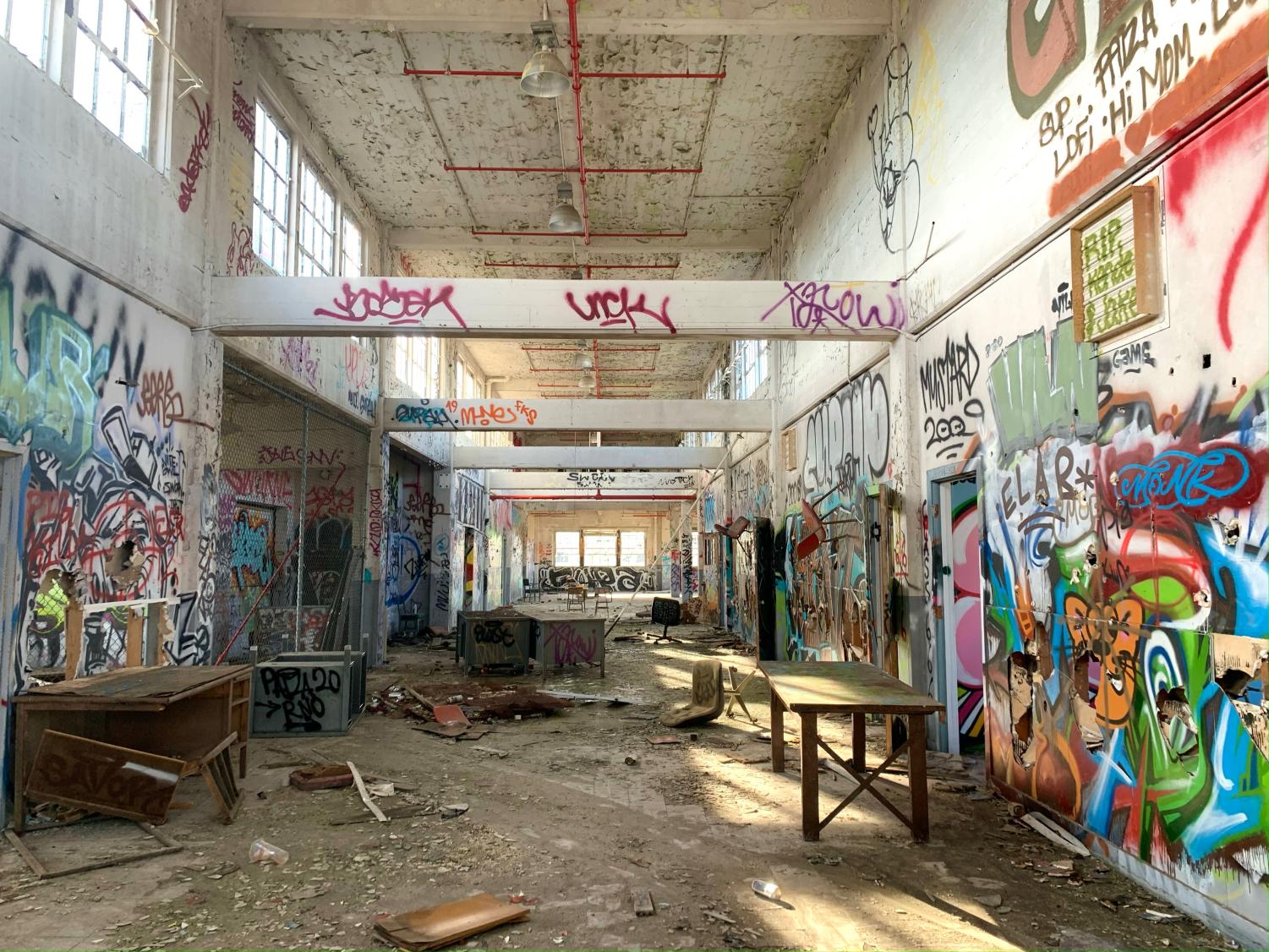
4. Photography and Documentation
Preserve the Site Through Photography:Photography is a powerful medium to capture the essence of
abandoned places. Here are some tips to ensure you do it responsibly:
A. Document, Don't Disturb: When taking photographs, resist the urge to rearrange items or disturb the
site's authenticity. The charm of abandoned places often lies in the untouched history they offer.
B. Respect the Space: Be mindful of the environment. Avoid causing damage or disturbing the natural
ecosystem, both inside and around the abandoned place.
C. Natural Light: Utilize natural light to your advantage. The play of sunlight through broken windows
or crumbling walls can create stunning visual effects that enhance the beauty of decay.
D. Perspective and Composition: Experiment with different angles and perspectives to tell a compelling
visual story. Focus on the unique features of the site, such as peeling paint, old furniture, or dramatic
architecture.
E. Safety First: Prioritize safety while getting that perfect shot. Always be aware of your surroundings,
especially in potentially hazardous areas.
Responsible Sharing of Abandoned Photography: Sharing your exploration experiences and photographs with
others can be a way to showcase the beauty and history of these forgotten places. However, it's essential to be
responsible and ethical when sharing
Documenting Changes Over Time: One fascinating aspect of photographing abandoned places is the
opportunity to document changes over time. Revisit the same location periodically and capture how it
evolves. Whether it's due to natural decay, restoration efforts, or even urban exploration becoming
more popular, your photos can tell a dynamic story of transformation. This long-term perspective adds
depth to your documentation and can be a valuable contribution to the historical record of the site.
5. The Art of Storytelling Through Photography
Urban exploration, or Urbex, is not merely about venturing into abandoned places for the sake of
adventure; it's also a profound form of storytelling through photography. The decaying buildings,
forgotten artifacts, and traces of human life found in these places offer a unique canvas for
photographers to craft compelling narratives. Here's how you can master the art of storytelling
through photography in urban explorations:
Research and Context:Before embarking on your urban exploration, research the history and
context of the location you plan to visit. Understanding the backstory, previous inhabitants, and
the purpose of the place will inform your photographic narrative..
Establish a Theme or Concept: Every great story has a theme or central concept. Determine
what story you want to tell through your photographs. It could be about the passage of time, the
resilience of nature, or the ghosts of the past. Your theme will guide your photographic choices.
Choose Your Equipment:Select the right camera and lenses for your urban exploration. Wide-angle
lenses are often favored for capturing the grandeur and expansiveness of abandoned spaces, while macro
lenses can help you focus on intricate details.

6. Trespassing Laws and Urban Exploration
Research is a fundamental and often underestimated aspect of urban exploration, contributing significantly
to the safety, success, and ethical practice of this hobby. Here are several key reasons highlighting the
importance of research in urban explorations:
Safety Precautions: TOne of the foremost reasons for conducting research is safety. Abandoned places
can be fraught with hazards, from unstable structures and asbestos exposure to wildlife and security risks.
Prior research allows you to anticipate potential dangers and take appropriate precautions, such as wearing the
right safety gear, knowing escape routes, and avoiding areas with known hazards.
Legal and Ethical Considerations: Research helps you understand the legal and ethical implications
of exploring specific locations. It's essential to know whether entering an abandoned site is legal,
whether it's on private property, and if any permits or permissions are required. Engaging in ethical
exploration by respecting property boundaries and preserving the site's integrity is equally crucial..
Location Identification: TIdentifying the precise location of abandoned places can be challenging,
especially if they are hidden or off the beaten path. Research helps you pinpoint these locations
accurately, reducing the risk of getting lost or ending up in the wrong place.
Historical and Cultural Context: Learning about the history and cultural significance
of the place you intend to explore enriches your experience. It enables you to appreciate the
context and significance of what you may find within these abandoned spaces, enhancing the narrative
and storytelling potential of your exploration.