Environmental Awareness in Urban Exploration Adventures
Table of Contents

1. A Guide to Eco-Friendly Urbex
Exploring abandoned places responsibly and in an eco-friendly manner is not only essential for preserving the environment but also for maintaining the integrity of these historic sites.
Obtain Permission: Whenever possible, seek permission from property owners or relevant authorities before exploring abandoned places. This not only ensures legality but also allows you to get guidance on responsible access.
Research and Plan: Thoroughly research the location you plan to explore. Learn about its history, any potential environmental hazards, and safety concerns. Plan your visit with respect to these factors.
Travel Light: Limit the number of items you bring with you to reduce your environmental footprint. Only carry essential gear, such as safety equipment, a camera, and minimal waste management supplies.
2. How to Explore Without Leaving a Mark
Obtain Permission: Seek permission from property owners or relevant authorities whenever possible. This ensures responsible access and respect for property rights.
Plan Your Visit: Research and plan your urbex adventure, considering safety, historical significance, and environmental concerns.
Travel Light: Minimize your impact by bringing only essential gear, such as safety equipment, a camera, and any necessary waste management supplies.
Leave No Trash: Pack out everything you bring with you. Avoid leaving any trash or discarded items behind. Use reusable containers for snacks and drinks to reduce waste.
Avoid Disturbing Wildlife: Be mindful of wildlife that may inhabit abandoned places. Avoid disturbing animals and their habitats.
Stay on Established Paths: Stick to established paths or designated areas to avoid trampling on sensitive vegetation or disturbing the environment.
3. The Role of Urbexers in Conservation
Documentation and Awareness: Urbexers often document abandoned places through photography and storytelling. This documentation raises awareness about the historical, cultural, and architectural significance of these sites, which can lead to increased interest in their preservation.
Historical Record: Through their explorations, urbexers create a historical record of places that might otherwise be forgotten or lost to decay. This documentation can serve as a valuable resource for future generations and researchers.
Advocacy for Preservation: Many urbex enthusiasts are passionate advocates for preserving abandoned sites. They use their platforms to highlight the importance of protecting historical and cultural heritage.
Responsible Exploration: Responsible urbexers prioritize the preservation of the locations they visit. They practice "Leave No Trace" principles, which minimize their impact on the environment and the sites themselves.
Report Damage and Vandalism: Urbexers who encounter sites that have been vandalized or damaged often report these incidents to authorities or property owners. This helps address issues promptly and may deter future vandalism.
4. Documenting the Reclamation of Abandoned Sites
Research and Select Sites Responsibly:Choose abandoned sites that have undergone significant reclamation by nature. Research the history of the site, its environmental context, and any unique features that make it a compelling subject.
Safety First: Prioritize safety during your exploration. Abandoned sites can be hazardous, so take precautions to protect yourself and any team members. Wear appropriate safety gear, including helmets and sturdy footwear.
Obtain Permission: Whenever possible, seek permission from property owners or relevant authorities to access the site legally. This ensures responsible exploration and minimizes legal risks.
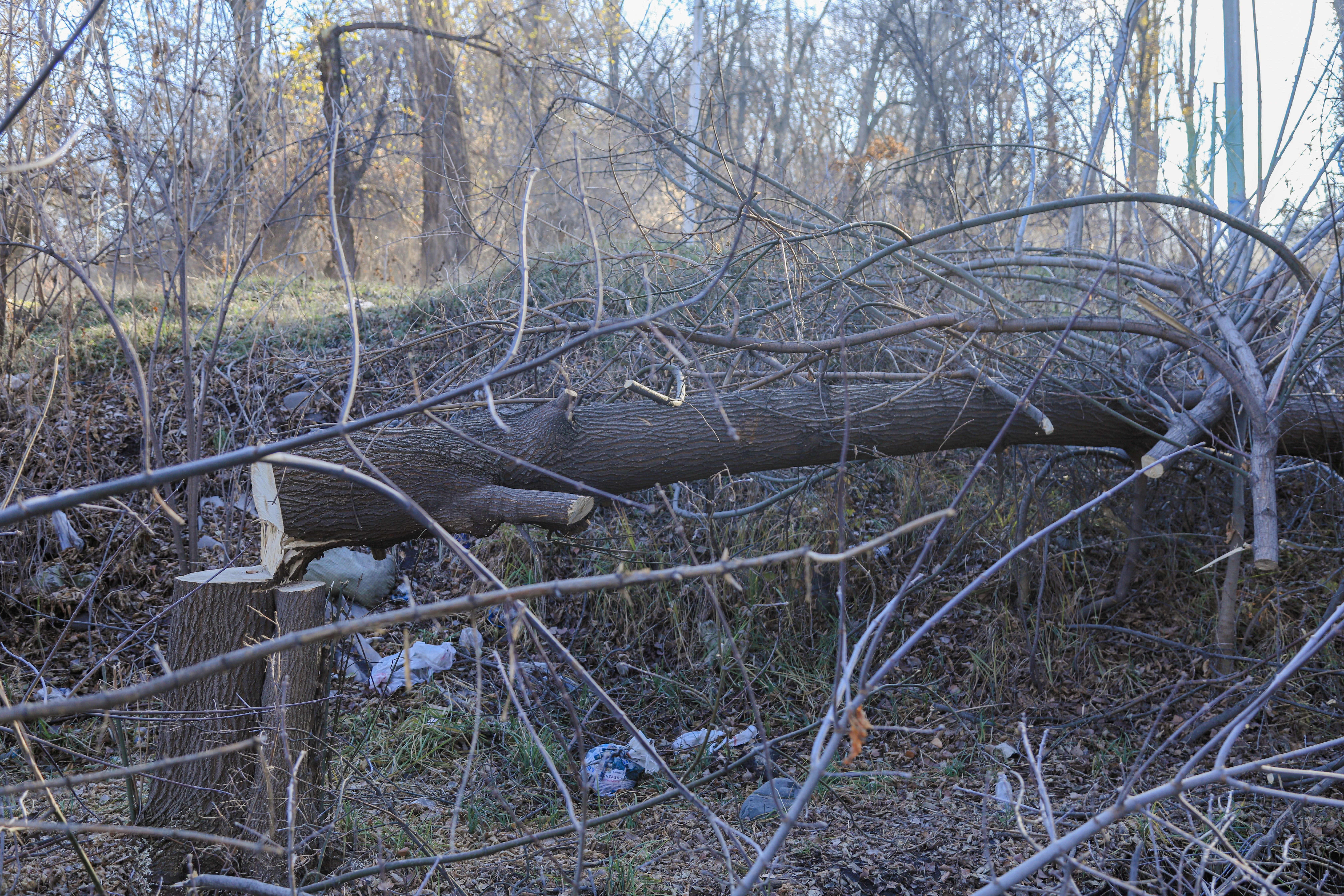
Document Changes Over Time: Return to the site multiple times to document its evolution. Capture photographs or videos that illustrate how nature is gradually reclaiming the space. These time-lapse comparisons can be powerful visual narratives.
Respect Wildlife and Habitats: Be mindful of wildlife that may have made the abandoned site its home. Avoid disturbing animals and their habitats. Document their presence without causing harm or distress.
5. How to Handle Trash and Debris Responsibly
Bring Necessary Supplies:Before entering an abandoned site, come prepared with the necessary supplies for waste management. This may include trash bags, gloves, and a small trash picker for safety.
Pack Out What You Pack In: Follow the "Leave No Trace" principle by packing out all the trash and debris you bring into the site. Dispose of it properly when you leave.
Separate Recyclables:If you encounter recyclable materials, separate them from general trash. Many abandoned sites have recyclables like bottles, cans, or metal objects. Collect these items and dispose of them in recycling bins if available.
Avoid Disturbing Wildlife:Be mindful of any wildlife that may have taken up residence in the abandoned site. Avoid disturbing animals and their habitats while collecting trash.
Document, Don't Disturb:Focus on documenting the site rather than moving or rearranging debris. Avoid causing further damage or disturbing the environment.

6. How to Explore Without Harming Wildlife
Research the Area: Before your urbex adventure, research the site and its surroundings. Learn about the local wildlife, flora, and fauna to better understand potential impacts and sensitivities.
Minimize Noise and Disturbance: Keep noise levels to a minimum. Loud noises can disturb wildlife and disrupt their natural behaviors. Use headphones when necessary and avoid shouting or making unnecessary noise.
Stay on Established Paths: Stick to established paths or designated areas to avoid trampling on vegetation and disturbing wildlife habitats. Resist the urge to venture off-trail, as this can cause lasting damage.
Respect No-Entry Zones: Some areas within abandoned sites or natural spaces may be designated as no-entry zones to protect sensitive ecosystems or wildlife. Respect these restrictions to avoid harming local wildlife.
Avoid Flash Photography: Flash photography can startle and disorient wildlife, especially if they are in dark or enclosed spaces. Use natural lighting or low-light photography techniques whenever possible.